

cropper
update
   PET NURTURE
   
​​​​​​​HUB  MEDIA
update
  • Home
  • Categories
    • Natural Pet Wellness
    • New Pet Parent Guides
    • Nutrition & Feeding
    • Training & Behavior
    • Gear & Product Reviews
    • Pet Life at Home
    • Hilarious Pet Antics Comedy
    • Pet Grooming
    • Natural Pet Wellness in Ohio
  • Animal Humor
  • Love for Animals
April 03.2025
3 Minutes Read

Transforming Reactive Behavior in Dogs: Tips for Pet Owners

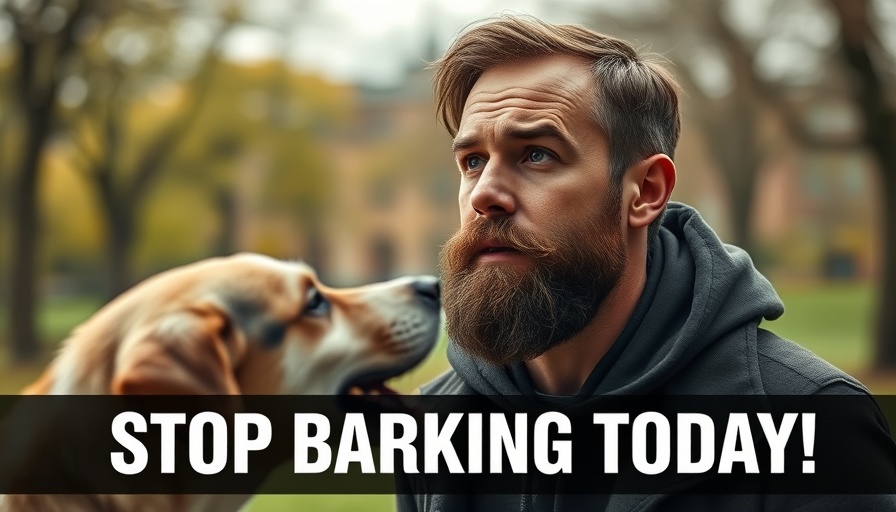
Man addressing dog barking outdoors, transforming reactive behavior in dogs.

Understanding Reactive Behavior in Dogs

In the journey of transforming a dog's extreme reactivity into calm behavior, recognizing the root causes of such behavioral issues is crucial. From the video 'This Dog Wouldn’t STOP Barking… So I Stepped In to Help,' we learn about a dog who struggles with heightened responses to people and other dogs. The owners faced challenges, especially in crowded environments like coffee shops, where their dog's barking and anxiety would escalate rapidly. Reactive behaviors often stem from past experiences that shape a dog's perceptions, and understanding these triggers is the first step in modifying unwanted actions.

In 'This Dog Wouldn’t STOP Barking… So I Stepped In to Help', the discussion dives into dog reactivity, exploring key insights that sparked deeper analysis on our end.

The Importance of Communication

A significant takeaway from the transformational journey is the importance of communication between dog and owner. The video's trainer emphasizes the need for clear signals to the dog, conveying that certain behaviors aren’t necessary. This not only builds the dog's confidence but also strengthens the bond between the dog and its owner. By redirecting the dog's focus from external stimuli to positive interactions with their human, owners can mitigate reactivity while creating an environment where the dog feels safe and understood.

Training Techniques: Finding What Works

While many pet owners resort to treats to distract their dogs from triggers, as shown in the video, the results can be mixed. The featured trainer points out that often, this method does not adequately address the root of the problem. Implementing alternative techniques, such as clear commands and structured training, can provide deeper, lasting changes. By establishing defined roles and expectations, dogs can better understand what behaviors are acceptable, leading to less anxiety and a more enjoyable outing for both dog and owner.

Encouraging Calmness Through Positive Reinforcement

As we've seen in the video, one effective way to transform reactive behavior is through positive reinforcement. Instead of applying pressure when the dog exhibits unwanted actions, rewarding calm behavior reinforces the desired state of being. This involves encouraging the dog with praise and treats when it displays relaxed demeanor, contributing to a positive cycle of behavior modification. Over time, this can help the dog associate crowded places like coffee shops with feelings of safety and calm.

The Owner's Role in Consistency

Perhaps the most challenging part of the training process lies in the owner's consistency. Following the trainer’s guidance, it's vital for owners to replicate successful strategies at home and in various environments. The trainer openly acknowledges that while some owners might struggle, perseverance is key. Equipping owners with simple yet effective strategies empowers them to handle their dogs' behaviors long-term.

Community Support and Resources

For dog owners navigating these challenges, seeking community support can be immensely beneficial. There are numerous resources, including training classes and online forums, where pet lovers can share experiences and solutions. Engaging with others who face similar hurdles can provide emotional support and practical insights. Remember, the journey toward a well-behaved pet is a collaborative effort, often filled with trials, errors, and triumphs.

In conclusion, transforming reactive behaviors in dogs involves understanding their triggers, establishing clear communication, and remaining consistent in training practices. If you're a pet lover passionate about enhancing your dog's well-being, this journey can also lead to a deeper bond between you and your furry companion. Embrace the process, celebrate the small victories, and remember: change takes time. Take a proactive step today—engage with your local dog training community to explore resources and support to guide you on this rewarding journey.

Training & Behavior

48 Views

0 Comments

Write A Comment

*
*
Please complete the captcha to submit your comment.
Related Posts All Posts
06.18.2026

Is Prince the Puppy the Ultimate Joy for Dog Lovers? Discover Why!

Update Why Prince the Puppy Stole Our HeartsIn a world overflowing with content, it's often the simple things that truly resonate. Recently, a delightful video surfaced featuring Prince, an adorable rottweiler puppy, irresistibly charming viewers with his playful antics. It's moments like these that remind us why we adore our furry companions—they have an uncanny ability to spread joy and warmth, brightening our days like nothing else can.In 'is this video of Prince the puppy better than anything else we make? Probably…,' we explore adorable canine behavior that sparks joy among pet lovers. Connecting Through Canine AnticsFor pet lovers, watching puppies play isn’t just entertaining; it’s a slice of happiness that resonates deep within us. As Prince clumsily navigates his surroundings, his innocent curiosity taps into something profoundly human. We can all relate to that feeling of carefree joy—it's both nostalgic and refreshing. Celebrating these moments helps strengthen our connections with other pet enthusiasts and reminds us that we share a universal bond: the love for pets.The Importance of Professional Training for Our PetsWhile Prince's antics are undeniably heartwarming, they also highlight the vital role of professional dog trainers in shaping positive pet behavior. Developing good habits early on can prevent behavior problems down the road. With guidance from skilled trainers, dog owners can address common behavior issues effectively, ensuring that both pets and their families enjoy a harmonious relationship.Joy in the EverydayPrince reminds us that each day holds the potential for joy. Whether you're an experienced dog parent or a new one navigating behavior counseling, the warmth of watching a puppy thrive can be a salve. Engaging with our pets allows us to experience life through their eyes, offering valuable lessons in presence and playfulness.So, if you find yourself feeling low or overwhelmed, remember the joy that puppies like Prince can bring. Embrace those gigs and wiggles—they're potent reminders of what truly matters in life. Need inspiration? Look no further than the little things to uplift your spirits!

06.16.2026

Discover the Joy of Pets: A Quarter Horse's Demand for Butt Scratches

Update The Playful Bond Between Horses and Humans In a delightful display of affection, a quarter horse gelding playfully nudges his owner, demanding some well-deserved butt scratches. This charming interaction not only highlights the unique personalities of horses but also showcases the special bond that can develop between humans and their equine friends. For pet lovers, such moments are a reminder of the joy and companionship animals bring into our lives.In Quarter Horse Gelding Playfully Demands Butt Scratches From Owner, we witness a humorous yet heartwarming interaction that inspires us to reflect on the meaningful relationships we have with our pets. Understanding Equine Emotions The quarter horse's insistence on receiving scratches is more than just a funny moment—it's a powerful demonstration of trust and comfort. Animals, much like dogs and cats, express affection and seek attention in various ways. Recognizing these signals is key to enjoying a fulfilling relationship with pets, whether they are four-legged friends like dogs or majestic beings like horses. Why Every Interaction Matters Research shows that positive interactions with pets promote emotional well-being in both humans and animals. The light-hearted behavior of pets like this playful horse serves as a perfect example of how bonding activities enrich our lives and strengthen our connections. So, the next time your furry friend nudges you for attention, remember that this behavior is not only adorable but also essential to their happiness. Creating More Moments of Joy As a community of pet lovers, we can learn from these joyful encounters. By actively engaging with our pets and understanding their needs, we contribute to their happiness and our own. Perhaps it's time to explore some fun activities that you can enjoy with your horse or dog—whether it’s training sessions that address pet behavior problems or simply giving them extra love and cuddles during your day. Because in the realm of pet ownership, even the simplest act can lead to extraordinary joy.

06.17.2026

Why Your Dog Hates Being Alone: Tips for Pet Lovers

Update Understanding Why Your Dog Feels Anxious When Left Alone Many dog owners have experienced the heart-wrenching sight of their furry friends looking distressed when they leave. This behavior can be attributed not only to separation anxiety but also to instinctual needs stemming from their ancestry. As pack animals, dogs thrive on companionship and may become anxious when they sense they are left out of the social interaction.In WHY YOUR DOG HATES BEING ALONE, the video highlights key insights into dog behavior, prompting us to delve deeper into the causes and solutions for pet owners. The Impact of Socialization on Your Dog's Well-Being Early socialization plays a crucial role in a dog’s mental health. Dogs that are not adequately exposed to different environments, people, and other animals during their formative months may develop fears. If your dog shows signs of distress when you’re away, this could be a sign of insufficient socialization. Tips for Easing Your Dog's Anxiety Fortunately, there are several strategies pet lovers can implement to ease their dogs’ separation anxiety. Here are a few pet lovers tips: Gradual Departures: Practice leaving your dog alone for short periods, gradually increasing the time you’re away. This can help them adjust more comfortably. Engaging Toys: Provide stimulating toys or treat-dispensing puzzles to keep your dog entertained while you are gone. Positive Reinforcement: Reward your dog for calm behavior when you leave, encouraging a positive association with your departures. Recognizing Symptoms of Separation Anxiety in Dogs Being aware of the signs can help you take action before the situation escalates. Common symptoms include: Barking or howling when left alone Destructive behavior, such as chewing furniture Housebreaking issues Excessive salivation or pacing If your pet exhibits these behaviors, it might be time to consult with a veterinarian or a professional dog trainer who can offer tailored advice for your situation. Conclusion: The Importance of Connection Dogs are not just pets; they are companions who thrive on connection. Understanding why your dog hates being alone is the first step towards fostering a happier, healthier relationship with your furry friend. By incorporating these pet lovers tips into your routine, you can help ease their anxiety and enrich your dog's life. Taking proactive steps—like providing positive experiences while ensuring proper training—can significantly improve your dog's well-being. So next time you leave home, implement these tips, and return to a happy, more relaxed pup!

Terms of Service

Privacy Policy

Core Modal Title

Sorry, no results found

You Might Find These Articles Interesting

T
Please Check Your Email
We Will Be Following Up Shortly
*
*
*