cropper
update
   PET NURTURE
   
​​​​​​​HUB  MEDIA
update
  • Home
  • Categories
    • Natural Pet Wellness
    • New Pet Parent Guides
    • Nutrition & Feeding
    • Training & Behavior
    • Gear & Product Reviews
    • Pet Life at Home
    • Hilarious Pet Antics Comedy
    • Pet Grooming
    • Natural Pet Wellness in Ohio
  • Animal Humor
  • Love for Animals
April 05.2025
3 Minutes Read

Stress-Free Dog Grooming Tips for Anxious Pets Like Kobe

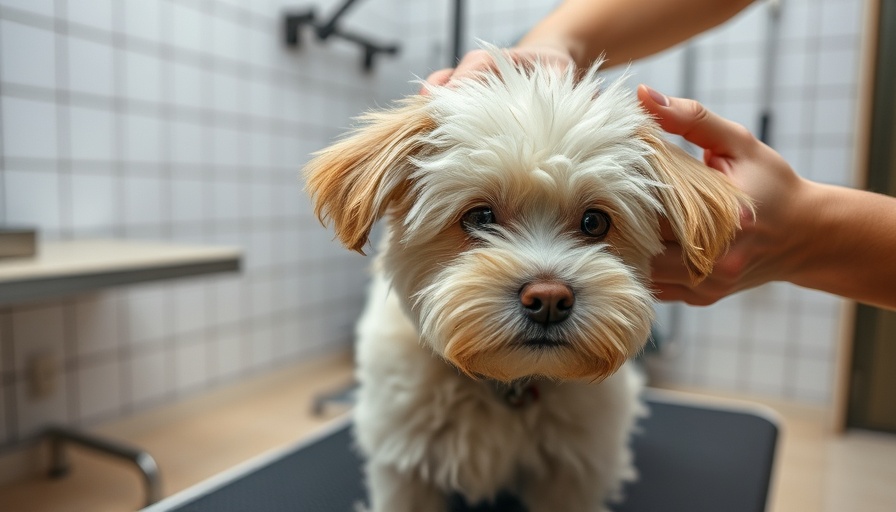
Dog Grooming Tips: Fluffy dog being groomed on a table.

Mastering Dog Grooming: A Guide to a Stress-Free Experience

Dog grooming can be both a delightful and challenging experience, especially when working with anxious dogs like Kobe, a Pom/Shih Tzu mix. As pet lovers, we understand that our furry friends can experience anxiety during grooming sessions, leading to a tug-of-war between keeping them calm and getting the grooming done. With the right techniques and tips, you can create a more peaceful environment for both you and your pup, ensuring a successful grooming process.

In the video titled 'Trimming a very anxious dog's face with scissors', the discussion dives into the challenges of grooming anxious dogs, exploring key insights that sparked deeper analysis on our end.

Establishing a Routine

Like any other task, grooming is about consistency. Establishing a grooming routine can help your dog become familiar with and expect the process, reducing anxiety. Take time to introduce your grooming tools slowly before actually starting. For instance, you can show them the scissors or comb, letting them sniff and understand they aren't harmful. Over time, groom your dog in a quiet space where they feel comfortable. This routine helps them associate grooming with safety and care.

Choosing the Right Tools

Using the right tools can make all the difference when grooming an anxious dog. Opt for rounded scissors to minimize the risk of accidental cuts; these are particularly valuable for trimming delicate areas like the face and paws. Moreover, investing in quality brushes that cater to your dog’s coat type can make the grooming session smoother and more enjoyable. A slicker brush, for example, is great for fluffing and removing dead hair from poodle mixes like Kobe.

Creating a Calm Environment

Reducing anxiety starts with the environment. Ensure the space is calm and quiet; you might even play soft music to soothe your dog. Begin with gentle touches and speak in a soothing voice. Offering treats or praise when your dog behaves well during grooming can create positive associations, turning what was once a stressful event into a bonding experience.

Understanding Dog Body Language

Recognizing your dog’s body language is crucial when grooming an anxious pet. Signs of nervousness might include pacing, panting, or trying to escape the grooming area. Understanding these cues allows you to adapt your approach. If your dog seems overly stressed, take a break, use a calming spray, or give them a little downtime before continuing. The aim is to ensure grooming stays a pleasant experience and not a forced one.

In the video titled Trimming a very anxious dog's face with scissors, we witness a heartfelt interaction as the groomer carefully handles the anxious Kobe. This clip highlights the importance of patience and caution, offering valuable insights into the unique challenges faced when grooming dogs that may not be as enthusiastic about the process.

After Grooming: Post-Care Matters

After a grooming session, provide comfort to your furry friend. A little cuddle time, alongside their favorite toy or treat, will help reinforce positive feelings about grooming. Regular grooming not only keeps your pet looking good but also leads to better health through skin care and prevents matting in their fur. Plus, regular grooming is a beneficial bonding time.

Final Thoughts

In the end, grooming an anxious dog like Kobe is all about patience, understanding, and creating positive associations with the grooming process. By implementing these dog grooming tips, you'll be well on your way to grooming success, making it a joy for both you and your beloved dog. Remember, every dog is unique, so be gentle and flexible in your approach. Happy grooming!

Natural Pet Wellness

14 Views

0 Comments

Write A Comment

*
*
Please complete the captcha to submit your comment.
Related Posts All Posts
05.09.2026

Master Dog Grooming Tips: Trim Paw Pads and Nails with Ease

Update Essential Dog Grooming Tips for Fidgety Pets Grooming your dog can be a daunting task, especially when dealing with a wriggly companion like Taser, the star of our recent video demonstration from K9 Clips Dog Grooming Tips. Many pet owners face challenges when their furry friends aren't in the mood to sit still. However, with the right techniques and a little patience, you can transform this grooming duty into a positive experience for both you and your dog.In 'Shih-Tzu X paw and nail trim, dog grooming without restraints,' the discussion dives into effective grooming techniques for fidgety dogs, exploring key insights that sparked further analysis on our end. Creating a Positive Grooming Environment One of the key tips that emerged from the video is the importance of establishing a calm grooming environment. By placing your dog on a raised surface, you signal that it’s grooming time, helping them understand what is expected of them. Dogs often feel more secure when they have a defined space that signifies an experience, such as grooming. Consistency in your grooming routine can also establish trust and reduce anxiety, making future sessions easier. Using the Right Tools Matters! While many groomers typically rely on clippers, Lisa's unique technique of using scissors for paw pads offers insightful alternatives. Scissors can provide greater control, especially for dogs that squirm. It’s also crucial to understand which tools work best for your pup's temperament. If your dog is particularly anxious, consider investing in quiet, low-vibration clippers or scissors designed for fidgety pets. Breaking Down the Nail Trimming Process Nail trimming might induce stress for both the pet and the owner. Lisa emphasizes the importance of taking breaks during nail trimming. If your dog is calm, use this time to rest if you’re feeling fatigued. On the flip side, if they start to squirm or misbehave, continuing to trim could reinforce negative behavior. Encouraging good behavior with praise when they cooperate can transform nail trimming from a dreaded chore into a manageable task. Health Considerations: Watch the Quick! A vital aspect of grooming that shouldn't be overlooked is the health of your dog's nails. As Lisa aptly points out, paying attention to the quick—the pink area of the nail that can bleed if cut too short—is crucial, especially for dogs with dark nails. Regular maintenance, such as trimming every two weeks instead of waiting until the nails are too long, not only keeps them neat but prevents painful accidents. Consistency is Key for Dog Grooming Success Whether you’re a new pet parent or have been a dog owner for years, consistent grooming practices can be highly rewarding. Frequent, gentle trims can make the process smoother over time, with pets gradually adapting to the routine. Understanding that this is not just about aesthetic appeal but also health will motivate pet owners to manage their dog's grooming effectively. Ultimately, grooming is a bonding experience that helps to solidify the trust between you and your furry companion. Every trim and nail cut can push the boundaries of patience, but the long-term rewards of a healthy, well-groomed pet are undoubtedly worth it!

05.07.2026

Combat Common Skin Issues: How to Take Care of a Dog Effectively

Update Understanding Yeast Infections: A Common Concern for Dog OwnersMany pet owners may not realize that yeast infections in dogs can be a prevalent issue, particularly affecting their skin and ears. This condition can result from various factors, including allergies, poor diet, or an imbalance in the dog’s body. It’s essential to recognize the signs, which often include a foul smell, rough skin, and irritation. Regular check-ups and proper cleaning, as demonstrated in the care of a dog named Copper, can prevent these infections from becoming severe.In MAJOR Skin Problems! What TO DO!, the discussion dives into common skin issues affecting dogs, prompting us to explore key insights into effective pet care. The Importance of Proper Grooming for Your DogGrooming is more than just aesthetics; it plays a crucial role in your dog’s health. Regular grooming sessions, which include bathing, brushing, and nail trimming, help to identify any underlying health issues early on. For instance, as our veterinary groomer demonstrated, cleaning Copper’s ears helped flush out debris and manage his yeast infection effectively. Pet owners should prioritize grooming as part of their pet care routine to enhance their dog's overall well-being.Tips for Managing Pets with Skin ProblemsWhen dealing with skin issues like Copper's yeast infection, it's vital to approach care with compassion and knowledge. Here are some tips to manage your dog's condition:Keep their environment clean and dry to minimize yeast growth.Consult with your veterinarian to ensure a balanced diet.Use appropriate medicated shampoos to soothe and treat skin conditions.Regularly check your dog's ears and skin for any signs of infection.These proactive steps can significantly reduce the chances of recurring infections.Connecting with Your Pet: The Emotional Aspect of CareCaring for a pet with health issues can be challenging, both physically and emotionally. Understanding the struggle that pets face allows owners to build a stronger bond with their furry friends. When Copper showed resistance to grooming, it was crucial for the groomer to approach him gently, reinforcing trust and care. This emotional connection not only makes the grooming process easier but also promotes a happy and healthy pet.Positive Practices for New Pet ParentsFor those new to pet ownership, it’s essential to understand the responsibilities that come with caring for a dog. Here are some actionable insights to consider:Establish a routine that includes regular vet visits and grooming sessions.Educate yourself about common dog health issues to identify them quickly.Invest in quality grooming tools that make the process easier.Being informed and proactive will create a positive environment for your dog, paving the way for a long-lasting companionship.

05.08.2026

New Alternative Treatment for Kidney Disease in Pets: What Owners Need to Know

Update Understanding Kidney Disease in Pets Kidney disease in dogs and cats is a prevalent issue that affects their quality of life significantly. Animals suffering from renal problems often experience symptoms like excessive thirst, frequent urination, and fatigue. As pet owners, understanding these symptoms can be critical in seeking timely intervention. Chronic kidney disease (CKD) is particularly common among older pets, and early detection can lead to more effective management of the condition, enhancing the overall well-being of our furry companions.In New Alternative Treatment for Kidney Disease in Dogs and Cats, the discussion dives into innovative therapies for managing kidney issues in pets, sparking a deeper analysis on sustainable care solutions. Exploring Alternative Treatments The video titled New Alternative Treatment for Kidney Disease in Dogs and Cats highlights innovative approaches that some veterinarians are incorporating into their practice. Among the treatments mentioned, alternative therapies such as acupuncture, herbal medicine, and dietary changes are gaining popularity. These methods aim not only to manage symptoms but also to promote kidney health in a more holistic manner, appealing to pet owners increasingly interested in sustainable pet care options. Why Choose Sustainable Care? As more pet owners look to extend their pets’ lifespans and improve their quality of life, considerations for sustainable pet care become paramount. This includes not only what they eat but also how their treatments affect their overall health and the environment. Choosing natural remedies often aligns with a growing trend toward minimizing synthetic substances in our pets' lives. It’s an opportunity for responsible pet guardians to invest in the long-term health of their pets. Benefits of Early Intervention Taking proactive steps, including regular check-ups and understanding potential treatments, can make a significant difference in managing kidney disease. Early intervention does not only prolong life but can ensure that our pets live healthily and happily. It encourages fewer veterinary visits, less stress for pets, and cost savings over time. Integrating alternative treatments also opens the door for tailored health plans specific to each pet’s unique needs. Real-Life Success Stories Many pet owners have shared inspiring stories of how alternative treatments have dramatically improved their pet's quality of life. One joyful owner recounted how a combination of dietary supplements and acupuncture helped their dog regain energy and reduce anxiety associated with kidney issues. These anecdotal successes underscore the potential of integrating new approaches in pet care, giving voice to the hope and empowerment of other pet owners navigating similar challenges. What You Can Do Today If you're a pet owner, it's crucial to stay informed about the latest advancements in pet health services. By educating yourself about kidney disease and potential alternative treatments, you can make informed decisions that benefit your pet. Consider consulting with your veterinarian about holistic health options, and look into sustainable products and treatments available in the market. Together, we can champion the health and happiness of our beloved animals.

Terms of Service

Privacy Policy

Core Modal Title

Sorry, no results found

You Might Find These Articles Interesting

T
Please Check Your Email
We Will Be Following Up Shortly
*
*
*