

Add Row
Add Element
cropper
update
   PET NURTURE
   
​​​​​​​HUB  MEDIA
update
Add Element
  • Home
  • Categories
    • Natural Pet Wellness
    • New Pet Parent Guides
    • Nutrition & Feeding
    • Training & Behavior
    • Gear & Product Reviews
    • Pet Life at Home
    • Hilarious Pet Antics Comedy
    • Pet Grooming
    • Natural Pet Wellness in Ohio
  • Animal Humor
  • Love for Animals
March 30.2025
3 Minutes Read

How to Effectively Address Dog Aggression Toward People and Other Dogs

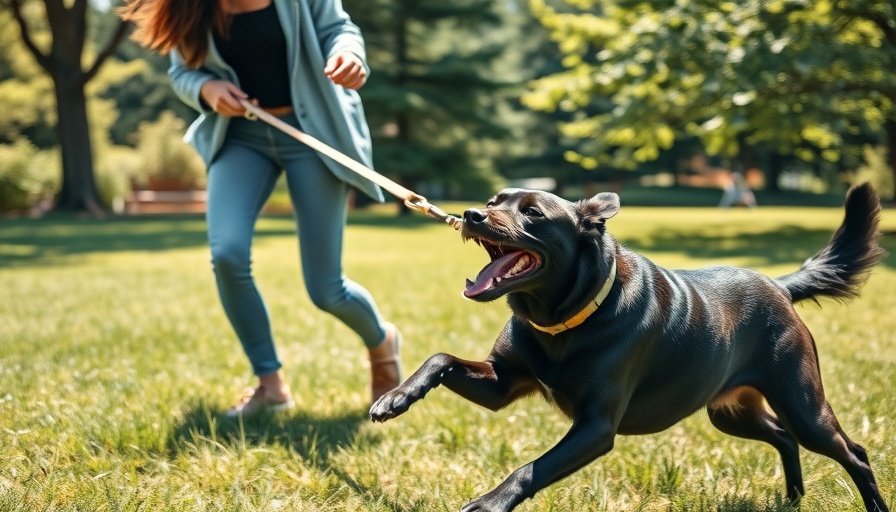
Energetic dog pulling woman, depicting dog aggression in a park.

Understanding Dog Aggression: Why Does It Happen?

Dog aggression, especially towards people and other animals, can stem from various sources such as fear, territoriality, or lack of socialization. These emotions can lead to a “fight or flight” response, manifesting as barking, lunging, or biting. For many pet owners, this behavior triggers anxiety and confusion, especially when it impacts daily activities like taking a dog for a walk.

In 'How to STOP Dog Aggression to Dogs/People', we explore the complexities of canine aggression and offer key insights that can foster a more stable environment for both pets and their owners.

Create a Safe Environment for Your Dog

Providing a calm and secure space for your dog is key to addressing aggression. Ensure your home is free from perceived threats, and consider using pet-safe cleaning products to reduce anxiety-inducing scents. Additionally, implementing a pet vaccination schedule can safeguard your dog’s health, which in turn can contribute to a better demeanor.

Establishing Leadership Through Training

Training is a critical aspect of dealing with an aggressive dog. As discussed in the video, building an effective leadership role is essential not only for commands but also for emotional security. Simple actions, such as establishing clear boundaries and practicing consistency in behavior, can significantly transform a pet’s reactivity. Professional dog training classes tailored to your dog's specific needs can be invaluable in developing this leadership dynamic.

Practicing Calmness on Walks

Walking with an aggressive dog can be a daunting experience. It's crucial to teach your dog how to behave during walks, which means not allowing them to pull on the leash. Gradual exposure to environments with distractions is key here. If your dog reacts to other dogs, redirect their focus back to you using treats, and gradually increase the level of challenge as they become more settled. Consider using eco-friendly pet supplies like leashes designed for comfort and control as you work on these skills.

Your Role as a Protector

As their guardian, your dog looks to you for assurance. Understanding that their aggression may stem from fear allows you to provide the necessary support. Just as Natalie learned with Oreo, becoming your dog's protector and mitigating their fears is vital. Observing triggers and knowing when to intervene can help your pet feel secure and reduce aggressive outbursts.

Positive Reinforcement and Socialization

Celebrating small wins is tremendously effective. Reward your dog for calm behavior when encountering perceived threats. As you gradually acclimate them to a variety of social situations, start with controlled environments, such as coffee shops with outdoor seating, before escalating to busier areas. Incorporating holistic pet care services can boost this process by providing added health benefits to your dog.

Take Action Now!

To transform your dog’s aggression into confidence, it requires time, patience, and consistent practice. Training your dog should be seen as a journey rather than a destination. Remember, every step forward is a step toward a more harmonious life together. If you are finding this process overwhelming, consider reaching out to trained professionals. They can provide critical assistance and customized plans that align with your specific needs. Take proactive steps today, and do not hesitate to explore resources like organic dog treat subscriptions as part of your training efforts.

Training & Behavior

13 Views

0 Comments

Write A Comment

*
*
Related Posts All Posts
01.22.2026

Why Your Dachshund Puppy Is Obsessed With Your Shirt: Understand This Behavior!

Update Why Does Your Dachshund Puppy Love Your Shirt? In one adorable video capturing the antics of a dachshund puppy, we witness a charming furry friend determinedly tugging at their owner's shirt. But what’s behind this cute behavior? For pet lovers, understanding these little quirks can deepen the bond with our four-legged pals.In 'Why Does My Dachshund Puppy Want My Shirt So Bad?', the video showcases the adorable tendencies of dachshund puppies, prompting us to explore their behavior and what it signifies. The Clothing Connection: Comfort and Security Dachshund puppies, like many dogs, have an innate desire for comfort, and clothing is a perfect source! Your shirt carries your scent, which can be incredibly soothing for a young pup. This affinity for your clothing signifies a desire for security and familiarity, especially as they navigate the world around them. Instincts and Pack Behavior Dogs are pack animals, and your shirt represents not just your wear but also a connection to their ‘pack’—you. When they cuddle or tug at your clothing, it’s a sign of affection and a way to strengthen their bond with you. It’s a natural behavior rooted in their instinctual need to feel close to their caregiver. How to Manage This Behavior If your pup has learned to associate your clothing with fun playtime or comfort, embrace it but also guide them on what’s appropriate to chew on. Providing dedicated toys can channel their energy and affection towards items that are designed for play, thus making the experience both pleasant and constructive. When to Seek Help from Professionals While this behavior is generally sweet, some dogs may develop habits that require intervention, like chewing on clothing excessively. If this behavior escalates or correlates with other pet behavior problems, consider consulting with professional dog trainers or behavior counselors. They can provide tailored advice to help address any persistent issues and strengthen your training approach. Understanding the motivations behind your dog's affection for your belongings not only helps you manage their behavior but also reinforces the loving relationship between you and your beloved pet. If you’ve enjoyed learning about this endearing dog behavior, feel free to share your experiences in the comments below!

01.20.2026

Understanding Why Some Dogs Are Picky Eaters: Tips to Improve Their Diets

Update Why Are Some Dogs Picky Eaters? Many pet owners might relate to the struggle of having a picky eater in their home. Dogs that turn their noses up at kibble are not uncommon, and the reasons for their pickiness can vary. From preferences for specific flavors to health issues, there are many factors that lead to picky eating habits in our canine friends. Understanding these reasons can help owners to better cater to their pets' needs, ensuring they maintain a balanced diet.In 'Spoiled & Picky Eaters! ? They know what they want to eat & it's NOT kibble!', the discussion dives into the canine diet preferences, exploring key insights that sparked deeper analysis on our end. Exploring Pet Diet Preferences Dogs are naturally inclined to seek out foods that are aromatic and flavorful. If a particular kibble lacks appealing scents or flavors, you might find your dog refusing it entirely. Some pet owners discover that their dogs prefer meat-based meals or even human food. This can lead to challenging behavior, where dogs develop what some call a 'spoiled' palate. To combat this, finding a high-quality dog food with nutrients and flavors that dogs naturally enjoy can make a significant difference. The Role of Behavior Counseling for Picky Eaters When faced with picky eaters, some pet owners might benefit from reaching out to professional dog trainers or behavior counselors. These experts can provide effective strategies to help owners encourage their pets to eat nutritious meals. Through behavior counseling, owners can learn how to create positive eating experiences, implement consistent feeding routines, and use engaging methods to introduce new foods without overwhelming their dogs. Training Approaches to Change Canine Eating Habits Changing a picky eater’s habits requires time and patience. Trainers often suggest methods such as gradual food transitions or positive reinforcement. Owners might try mixing kibble with wet food or other delicious treats to entice their dogs. This not only makes the meals more appealing but also helps dogs become more accepting of their regular diet. Additionally, addressing any underlying behavioral issues that may cause anxiety around meal times will support a healthier approach to feeding. Having a dog that is hesitant to eat their kibble can be both frustrating and heartbreaking. However, by understanding the reasons behind their behavior and seeking guidance from professionals, pet owners can help ensure their furry companions enjoy a variety of nutritious foods. After all, our pets rely on us to provide them with not just love but also a healthy diet. If you’ve noticed your pup being picky, take action today! Consult a professional dog trainer to explore engaging methods and techniques that can transform mealtime into a delightful experience for your canine friend.

01.20.2026

Exploring Dog-Friendly Travel: Tips and Hacks for Adventures With Your Pet

Update Traveling with Pets: A New Journey In recent years, traveling with pets has evolved from a niche concern to a widespread practice, captivating many pet owners eager to include their furry friends in their adventures. The excitement of flying alongside your dog, as seen in the viral video where a person boards a dog-friendly flight to meet their internet best friend, exemplifies the growing trend of pet-inclusive travel. With airlines and hotels increasingly accommodating pets, the prospect of sharing travel experiences with our pets has never been more accessible or enjoyable.In 'I got on a dog friendly flight just to meet my internet bestie ✈️', the discussion dives into how traveling with pets has become a relatable and growing trend, exploring key insights that sparked deeper analysis on our end. The Rise of Dog-Friendly Travel As traveling families integrate their pets into vacation plans, the airline industry has responded by adopting more dog-friendly policies. From dedicated pet areas in airports to soft carriers that fit under seats, travel options are now tailored to make pets feel welcomed. This change reflects not just a growing demand but also the understanding that pets are part of the family, warranting inclusion in family adventures. Pet Travel Tips: Making the Most of Your Adventure Those planning to fly should consider several pet travel safety rules to ensure a smooth journey. First, always check the specific airline's pet policy, as regulations can significantly vary. Additionally, familiarize yourself with the required documentation, which can include veterinary records and health certificates. Just as important are comfort measures: ensure your pet's carrier is well-ventilated, spacious, and lined with a familiar blanket. Feeding your dog a light meal before flying can prevent motion sickness, and bringing along their favorite toys can help ease anxiety during the flight. Travel Hacks for Families and Their Dogs For families traveling with dogs, planning can make or break the experience. Start with a comprehensive list of pet-friendly accommodations and ensure they meet your pet's specific needs. Many venues now offer added amenities, like dog parks and pet-sitting services, providing peace of mind. Always have a pet first-aid kit on hand, along with plenty of water and snacks to keep your furry companion happy on the road. Creating Lasting Memories with Pets Traveling with pets isn’t just about comfort and convenience; it’s an opportunity to create cherished memories. Engage your dog in pet-friendly activities at your destination, such as hiking, beach outings, or exploring dog-friendly parks. These experiences strengthen the bond between pet and owner, fostering a sense of adventure and companionship. In conclusion, if you’re eager to embark on a journey with your pet or simply looking for tips to make traveling easier, consider this a friendly reminder: the world is more welcoming to our furry companions than ever. So pack your bags, grab your dog's favorite toy, and hit the road or the skies for an unforgettable adventure together!

Terms of Service

Privacy Policy

Core Modal Title

Sorry, no results found

You Might Find These Articles Interesting

T
Please Check Your Email
We Will Be Following Up Shortly
*
*
*