


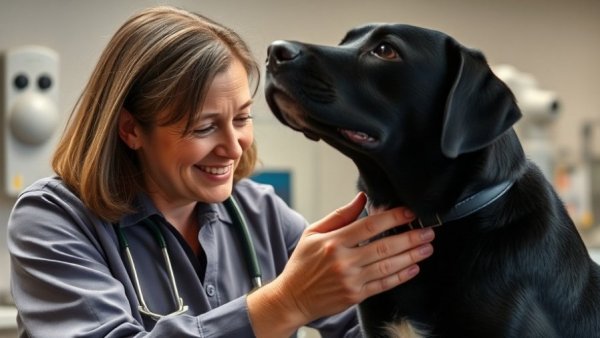
Understanding the Risks: When Dogs Eat Mushrooms
As dog owners, we often overlook the small things that could pose a significant danger to our furry friends. One common yet potentially harmful situation is when our pets snack on mushrooms during their outdoor adventures. Just like with many natural substances, not all mushrooms are safe for our dogs. Some can be toxic, leading to serious health consequences. Understanding the signs of poisoning can help every dog owner respond appropriately and ensure their pet's safety.
In 'Dog Ate a Mushroom? Signs of Poisoning Every Dog Owner Should Know | Vet Explains,' the conversation centers on understanding the dangers of mushrooms for dogs, inspiring us to delve deeper into how owners can safeguard their furry friends.
Common Symptoms of Mushroom Poisoning in Dogs
If you suspect your dog has eaten a mushroom, it's essential to monitor for specific signs of poisoning. Symptoms can vary significantly based on the type of mushroom ingested, but here are some common indicators:
- Vomiting or diarrhea
- Loss of appetite
- Excessive drooling
- Lethargy
- Abdominal pain
These symptoms can manifest within hours, so it's crucial to seek veterinary help immediately if you notice any of these signs.
Why Pet Health Services Are Crucial
Having access to reliable pet health services can make all the difference in an emergency. Regular check-ups and consultations can help ensure your furry friend is always in good condition. Additionally, building a relationship with a veterinarian allows you to get prompt recommendations during emergencies, such as mushroom poisoning. Knowing the quickest route to the vet or having the local pet poison hotline number saved on your phone could mean a safer experience for your dog.
Identifying Safe vs. Toxic Mushrooms
Understanding which mushrooms are safe and which are not is another important aspect of sustainable pet care. It may be tempting to let your dog explore the world freely, but educating yourself about local mushroom species can prevent potential accidents. Familiarize yourself with common poisonous mushrooms in your area, such as the Amanita species, which are known for their high toxicity. This knowledge enables dog owners to prevent foraging risks and maintain a secure environment for their pets.
Creating a Safe Outdoor Environment
As a dog owner, prevention is key. Maintaining a safe outdoor environment involves regular inspections of your yard for any mushrooms or other hazardous plants. Teaching your dog commands like “leave it” can also help ward off foraging habits. Incorporating fun activities that don’t involve wild mushrooms can keep your furry friend safe while enjoying their time outside.
Emotional Connection: Value of Pet Safety
For many pet owners, our dogs are more than just pets; they are family members. The emotional distress that comes with pet health scares can be overwhelming. Recognizing the signs of poisoning and knowing how to react can foster a sense of security for both you and your furry friend, ensuring that your home remains a healthy and happy environment for everyone.
By staying informed about potential dangers, such as mushrooms, and recognizing the importance of pet health services, dog owners can take proactive steps to protect their canine companions. Together, we can create a safer and healthier world for our pets.





Write A Comment