


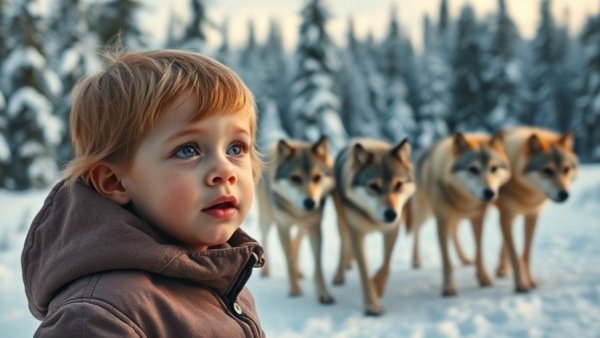
Unleashing Curiosity: What Kids Think About Wolves
In a recent episode from Nat Geo Kids titled "Kids React to Wolves Up Close", young viewers were treated to the majestic sight of wolves interacting with their environment. The excitement echoed through their reactions, highlighting the genuine wonder and fear that wolves inspire. As one child observed, "A wolf is a thing that you don't want to mess with", showcasing both their instinctual respect for wildlife and the visceral thrill it delivers.
In "Kids React to Wolves Up Close | Nat Geo Kids", the discussion dives into children's responses to wolves, exploring key insights that sparked deeper analysis on our end.
A Relationship Beyond Fear: Understanding Wolves
The children in the video grapple with complex emotions as they watch the wolves hunt and interact. One poignant takeaway was a child’s assertion that we need to "reimagine our relationship with wolves". This calls attention to a crucial conversation about coexistence. Wolves, often painted as fearsome predators, play a pivotal role in our ecosystem. Understanding them can help us foster a healthier relationship based on respect, rather than fear.
The Importance of Nature: Kids Speak Out
Another child in the video stated, "If we didn’t take care of nature, then it would be hard for animals to live", echoing an important message about environmental stewardship. This sentiment resonates deeply in the age of climate change. Kids are becoming the torchbearers of conservation, voicing their concerns about the fragility of the ecosystems we inhabit and the responsibility we bear to protect them.
Kids and Their Connection To Wildlife
What makes children uniquely positioned to understand nature is their innate curiosity. Their wide-eyed wonder, coupled with a sense of fun—as one child enthusiastically exclaimed about the antics of the wolves—encourages deeper emotional connections to animals. When children express joy and concern over wolves, they are not just reacting to the animal itself but are also processing important lessons about empathy and caring for our planet.
Strategies for Fostering a Love for Animals
As pet lovers and advocates for animal wellness, we can channel children's innate curiosity into practical efforts that promote a bond with wildlife. Here are a few strategies:
- Explore Local Nature Reserves: Take children on trips to national parks or wildlife reserves where they can observe animals in their natural habitats.
- Educational Workshops: Encourage participation in workshops that focus on animal behavior, ecology, and conservation, fostering a deeper understanding of wildlife.
- Volunteer Opportunities: Encourage kids to get involved with local animal shelters or wildlife rescue organizations, merging hands-on experience with education.
By engaging with animals and the environment, children can learn the importance of coexistence while developing their love for nature.
Final Thoughts
The reactions of kids to watching wolves up close serve as a beautiful reminder of our responsibility toward all creatures. Whether it’s a playful demeanor or instinctual respect, their perspectives encourage us to think critically about our role in nurturing and protecting wildlife. The questions raised by the children in Nat Geo’s engaging video invite us all to reflect on how we can collectively help create a sustainable future for both wildlife and ourselves. Now, more than ever, let’s take the insights shared in the video to heart, fostering our commitment to wildlife conservation.


Write A Comment