


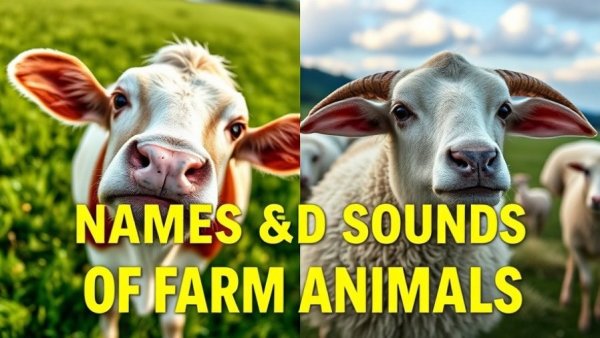
Unlocking the World of Farm Animals: An Engaging Exploration for Kids
As the sun rises on the farm, a delightful chorus of sounds emerges—this is the vibrant world of farm animals, where each creature has its own name and unique sounds that contribute to the farm's lively atmosphere. Introducing children to these remarkable beings is not just about names and noises; it’s an essential avenue for early education and fostering a love for nature.
We came across 'Farm Animals Names and Sounds for Kids to Learn | Farm Animals for Toddlers', which covers the joyful world of farm animals, and it raised some compelling points that we’re expanding on in this article.
The Learning Journey Begins with Sounds
Children have a natural curiosity, and pairing that with the rich auditory experience of animal sounds can ignite a profound interest in wildlife. The rooster crows, the sheep bleat, and the cows moo—all these distinct sounds are not merely amusing; they provide a sensory learning experience that enhances cognitive development. By learning the names and sounds of animals like the horse, pig, and duck, kids engage in a multisensory experience that encourages active participation.
Understanding Farm Animals: Names and Characteristics
Farm animals each play a unique role. For example, the cow, with its four-part stomach, exemplifies the complexity of farm life. Meanwhile, the sheep not only contributes wool but also serves as the perfect subject for practicing animal sounds. Kids can appreciate the differences and similarities among animals, fostering not just recognition but empathy towards these creatures. Knowing about the animals' features invites children to ask questions such as, "What do pigs eat?" or "How do horses sleep?" thereby promoting inquiry and learning.
Benefits of Familiarity with Farm Animals
Teaching toddlers about farm animals through high-quality animal videos can have several benefits:
- Enhanced Vocabulary: Introducing new terms like "goslings" for baby geese and "piglets" for young pigs enriches their language skills.
- Cognitive Skills Development: Recognizing different animals while remembering their names and sounds sharpens memory retention.
- Emotional Connection: Understanding that baby animals (like kittens and puppies) are akin to pets at home fosters both empathy and attachment towards animals.
Creating Meaningful Interactions with Farm Animals
Interaction with farm animals can also lead to valuable life lessons. Parents can take their children on farm visits or create a small garden space to simulate a farm environment. Reading books or watching quality videos about farm animals enhances this learning experience, offering kids a way to see these animals in action even if a real farm isn't accessible. This way, children connect with animals on a deeper level, learning the importance of care, compassion, and responsibility towards living creatures.
Inspiring a Lifelong Love for Nature
Exposing children to farm life creates long-lasting impressions. It instills a love for animals and an understanding of agriculture's role in our ecosystem. As they grow, children who have been engaged in such joyful learning experiences may develop interests in animal care, environmental stewardship, or agricultural education.
Understanding farm animals through interactive videos or engaging stories leads to a holistic learning environment that is not only educational but also fun. The joy of discovering the rich sounds and fascinating features of farm animals can inspire a new generation to respect and care for nature.
Explore More and Join the Journey!
If you’re looking to foster a sense of wonder in your child, start exploring the world of farm animals together! Check out high-quality animal videos that can bring this experience straight to your living room, enhancing both fun and learning!


Write A Comment